01
Video service
Video communication capabilities are delivered as an ongoing service rather than only as standalone equipment.
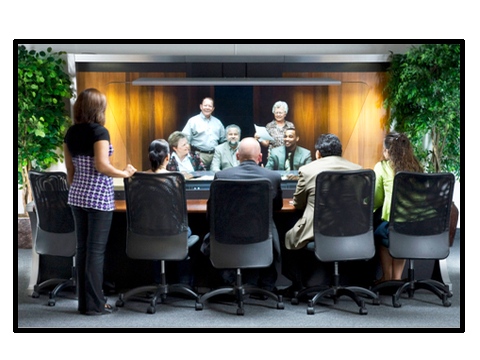
Video as a Service (VaaS) is a delivery model in which video conferencing capabilities are outsourced to a managed service provider and delivered over an IP network.
A managed VaaS approach can combine cloud video communication, equipment and specialist technical support. Teleportel extends remote video into physical service environments such as virtual reception, 2D and 3D kiosks, document and passport workflows, visitor badges and intelligent parcel lockers.
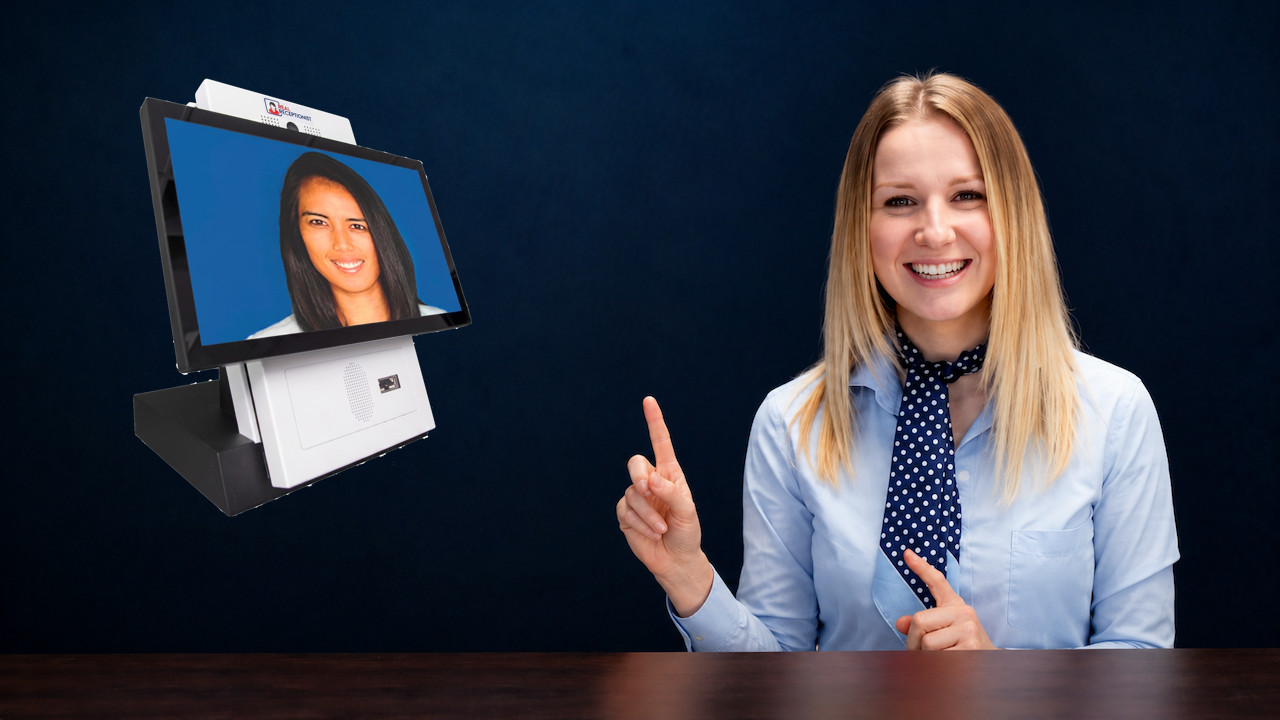

In the supplied definition, Video as a Service outsources video conferencing capabilities to a managed service provider. Instead of treating video communication only as equipment owned and operated internally, the service can be delivered and supported through an IP-based managed environment.
Video communication capabilities are delivered as an ongoing service rather than only as standalone equipment.
The communication service is delivered over an IP network so participants and endpoints can connect remotely.
A managed service provider can take responsibility for parts of the conferencing environment and its operation.
The source describes a fully managed VaaS product as including equipment and specialist technical support.
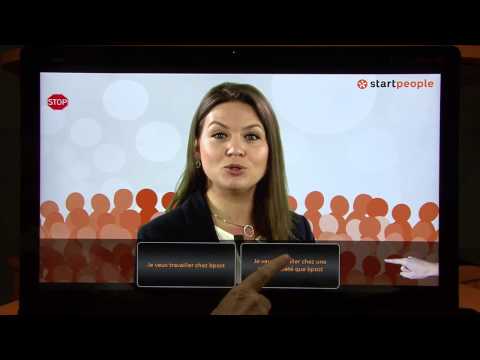
The supplied content highlights transcoding as part of a VaaS approach: devices can be adapted through the service so different endpoints are able to communicate with one another.
For a business, the larger question is not simply where the video platform runs. It is what the remote connection needs to accomplish for employees, visitors or customers.
Cloud video can connect people. Teleportel can place that remote human connection at a reception desk, visitor kiosk or other physical service point where the user may also need to complete a practical task.
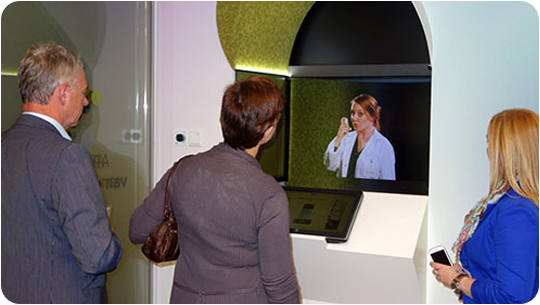
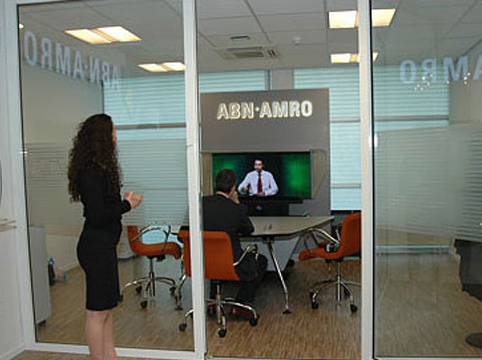
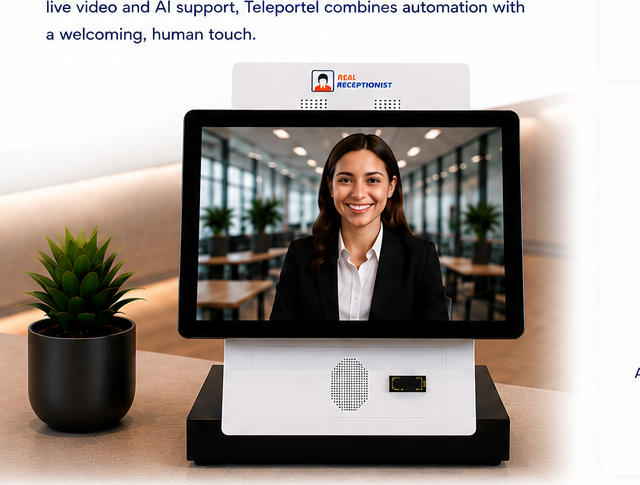
A receptionist or specialist can serve visitors from another office or location through live face-to-face video.
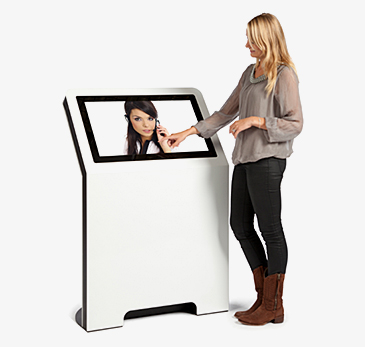
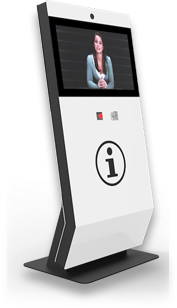
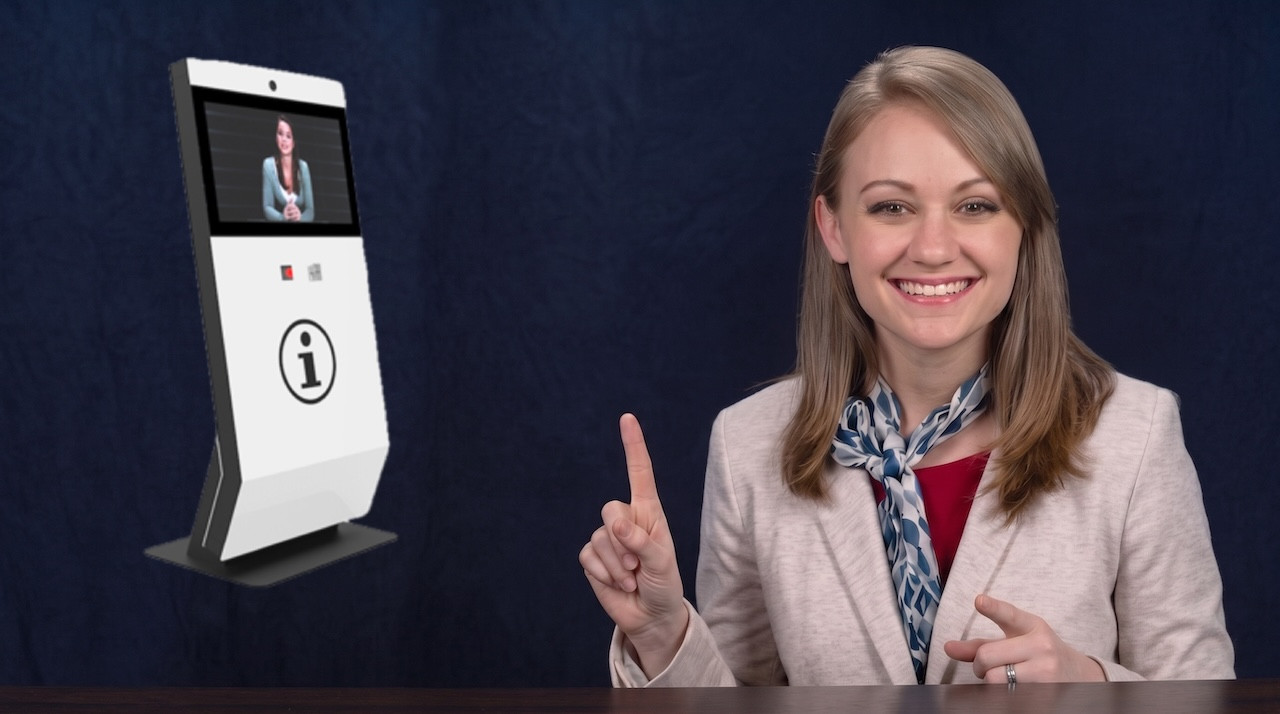
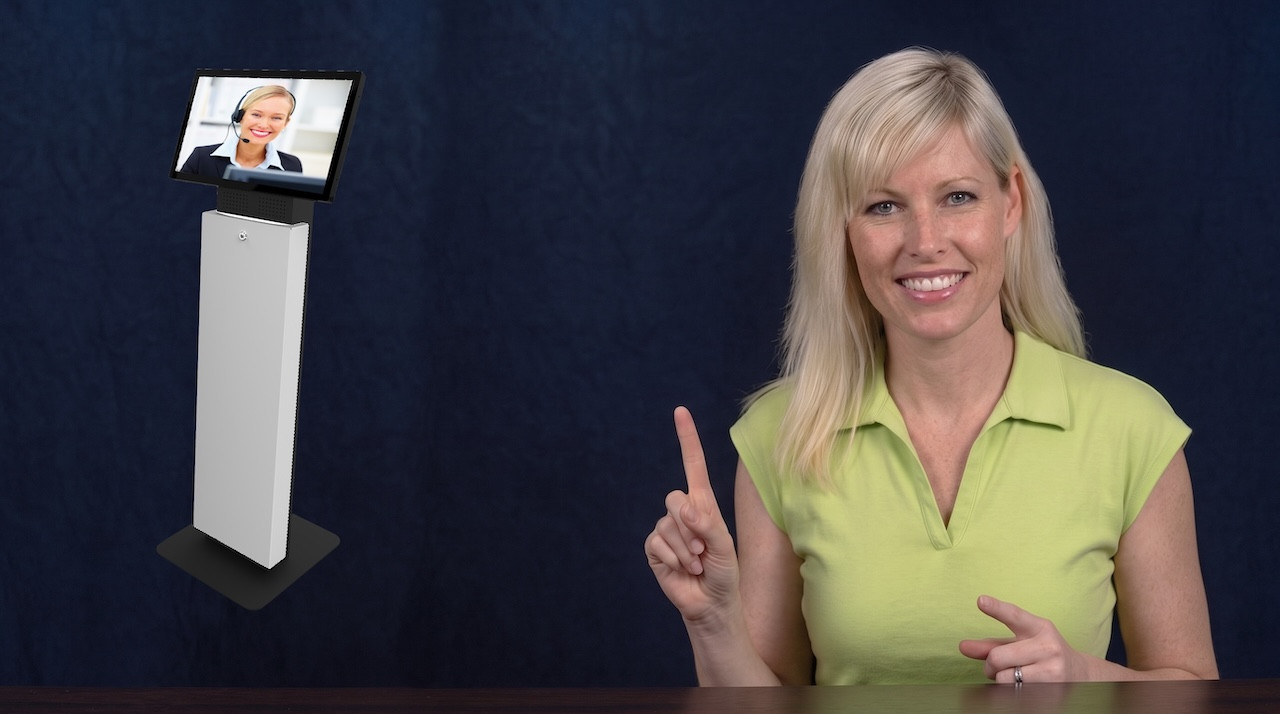
A purpose-built touchscreen kiosk provides a consistent physical endpoint for the managed remote service.
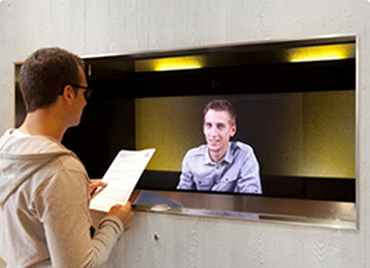
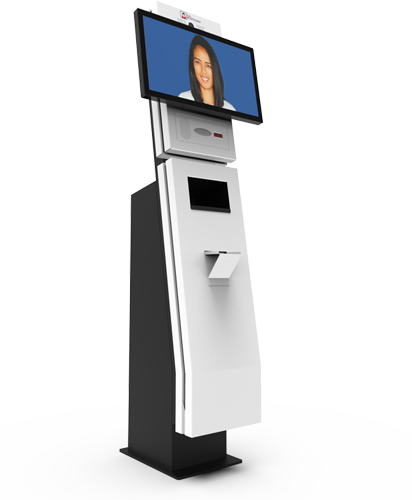
The remote interaction can be combined with compatible peripherals for documents, identity, badges and other transactions.
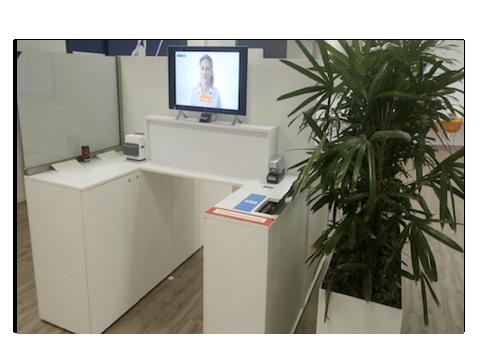
Combine Teleportel software with the touchscreen format that best matches your reception environment and visitor management process.
Reception requirements vary by location. Digital visitor management can support the way guests, patients, contractors and other visitors arrive in different environments.
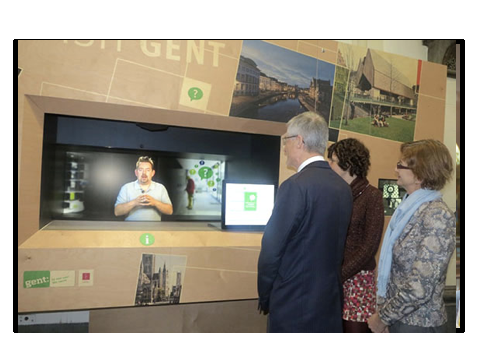
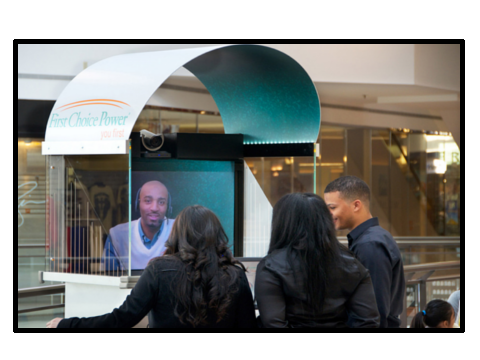
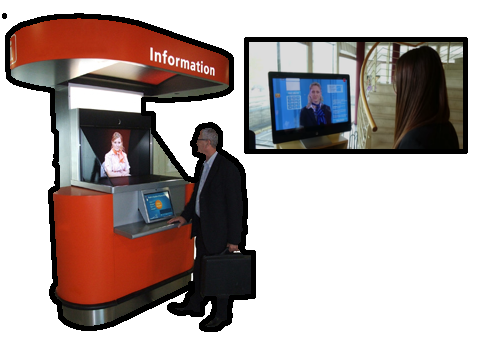
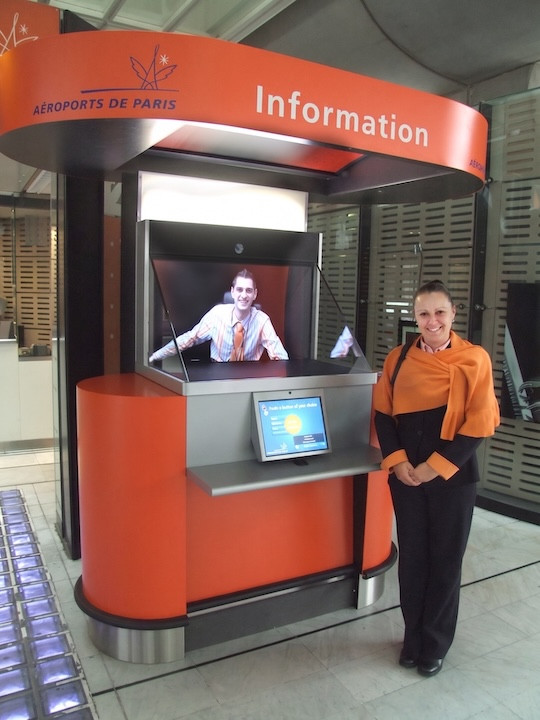
Teleportel's patented 3D Holographical Reality™ is designed around presence rather than simply displaying a remote video feed. The receptionist appears life-sized and in 3D, with aligned eye contact, while the camera and screen remain outside the visitor's view.
The effect is intentionally different from ordinary 2D displays and from consumer “3D TV” concepts that require goggles. No glasses are needed. The objective is an immersive, authentic interaction in which the person on the other side feels much closer to being in the same room.
The sound is also positioned so that it seems to come from the person rather than from an obvious loudspeaker, reinforcing the overall sense of presence.
More About Holographical Reality™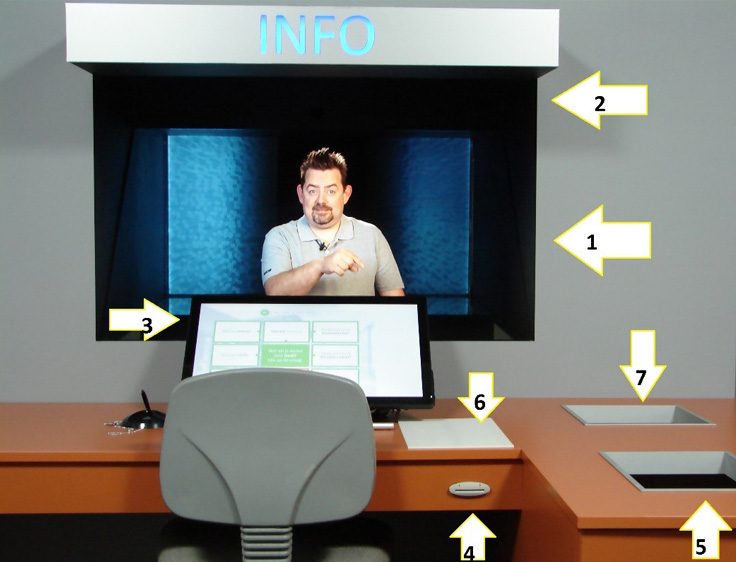
Teleportel In-Wall™ installations can be adapted around the architecture, reception workflow, branding and peripheral equipment required at each site.
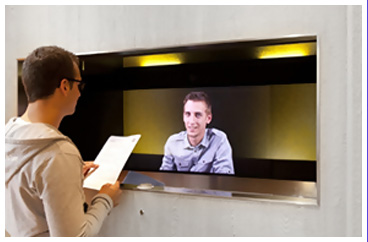
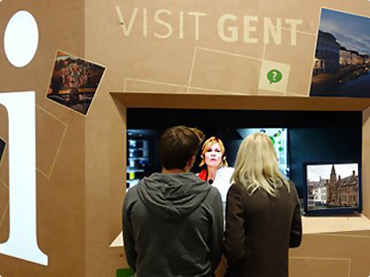
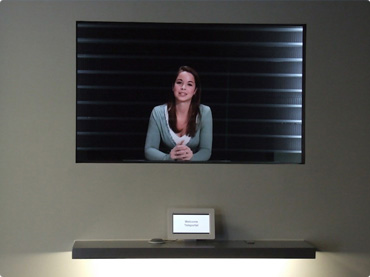
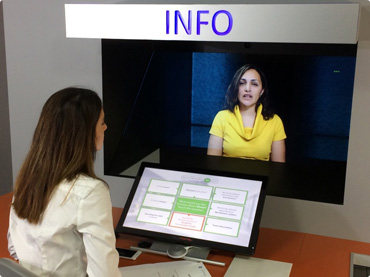
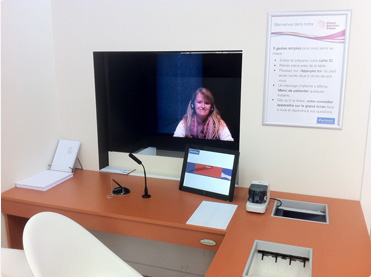
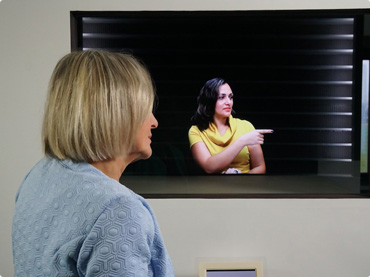
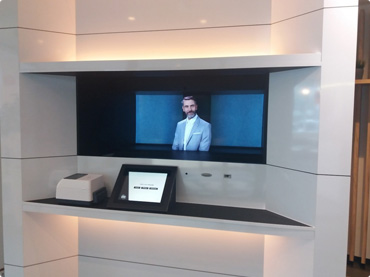
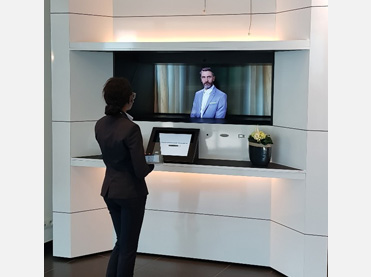
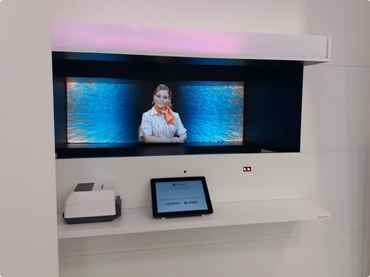
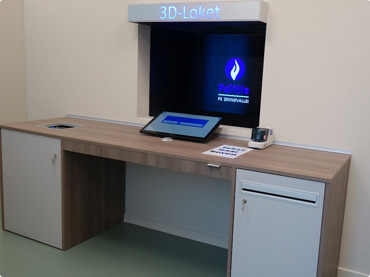
Teleportel applies managed remote interaction to customer-facing environments where the endpoint itself is part of the experience.
Use remote human interaction to provide reception coverage across offices, entrances or other visitor locations.
A dedicated touchscreen endpoint turns managed video into a consistent customer or visitor service point.
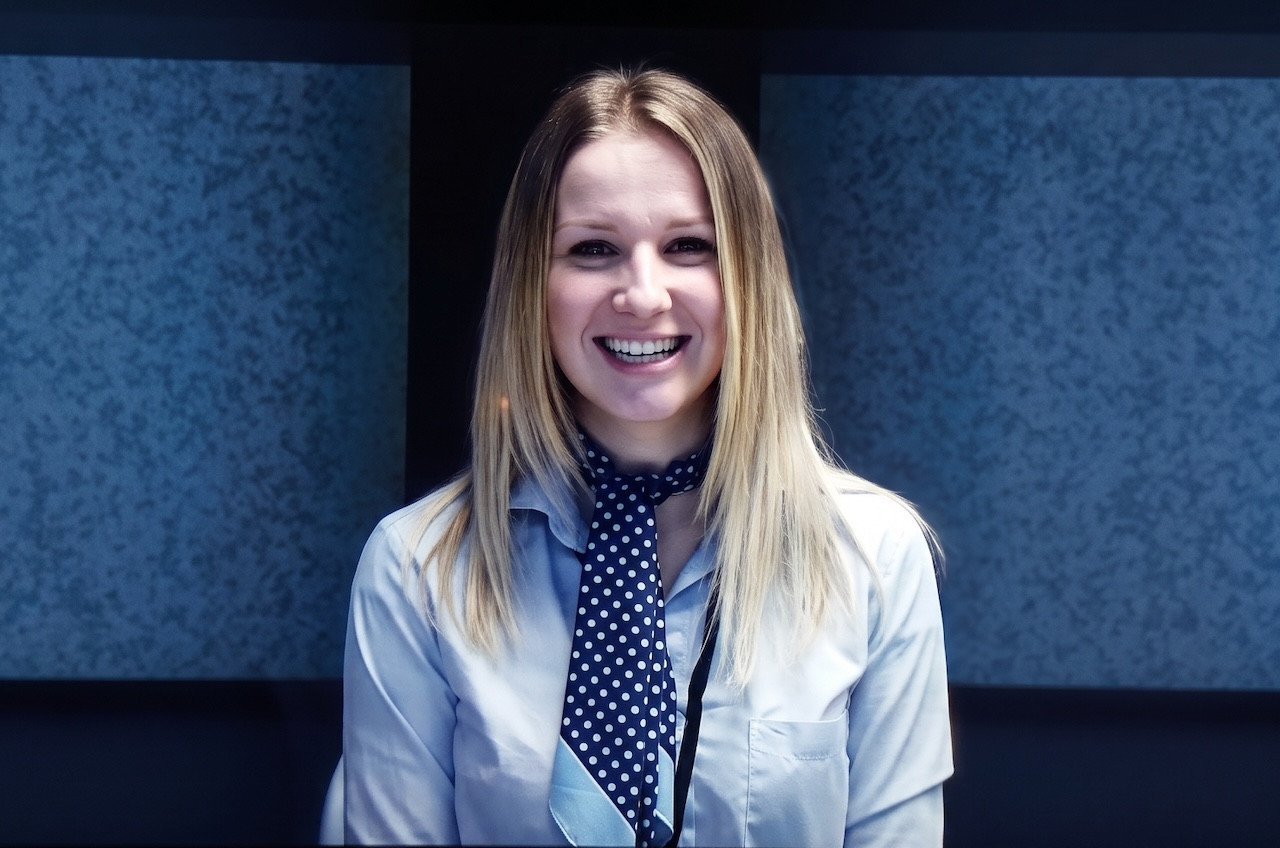
In-Wall™ technology creates a stronger sense of human presence for high-impact remote reception and service.
A fully managed remote interaction becomes more valuable when the person at the physical endpoint can complete the task they came to do.
Compatible scanning equipment can support remotely assisted document workflows.
Identification peripherals can support visitor and customer processes requiring identity information.
Reception endpoints can support visitor badge processes while a remote receptionist remains available.
A remote specialist can guide the user through a physical or digital transaction from another location.
Teleportel also offers intelligent electronic parcel locker systems for automated package delivery, secure storage and digitally assisted collection.
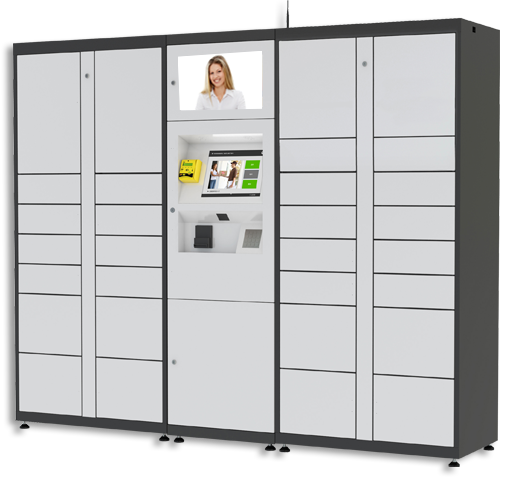
Secure electronic lockers create a convenient collection point for incoming packages.
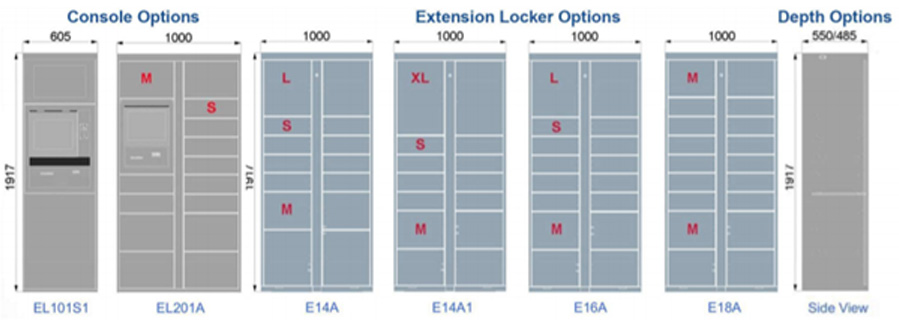
Locker configurations can be adapted to parcel volume, physical space and delivery-management requirements.
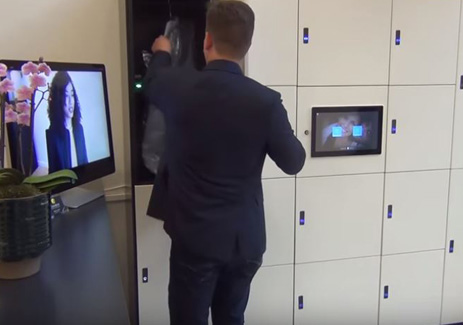
Automated collection can be combined with access to a remote person when a customer requires help.
Explore how Teleportel can combine live video, purpose-built endpoints and customer-facing workflows. Teleportel is a commercial solution with a 14-day trial.
Direct answers about managed video services, endpoints and Teleportel remote interaction.
Video as a Service is a delivery model in which video conferencing capabilities are outsourced to a managed service provider and delivered over an IP network.
The supplied source describes a fully managed cloud video conferencing solution that includes equipment and specialist technical support.
The source describes transcoding as a way to help different devices work together through the service, improving interoperability between endpoints.
The supplied content does not identify six named providers, so this page does not invent a ranking. Businesses can instead compare cloud conferencing, managed service, equipment, interoperability, customer-interaction and transaction-enabled provider models.
Teleportel applies remote human interaction to virtual reception, 2D kiosks, 3D In-Wall™ kiosks and customer-facing workflows involving compatible peripherals.
Depending on the installation, compatible peripherals can support document scanning, passport or ID processes and visitor badge workflows.
Yes. Teleportel also offers intelligent electronic parcel locker systems for secure package storage, automated collection and digitally assisted service.